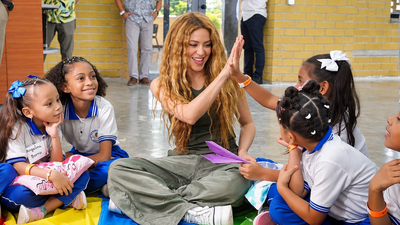
Shakira’s Fundación Pies Descalzos has spent decades working to expand access to quality education in Colombia, and its recent school building efforts show how far that work has grown. In 2025, the foundation delivered seven new schools alongside Colombia’s Ministry of Education in La Guajira and Tibú, benefiting more than 5,000 children each year, according to the foundation’s own timeline and reporting by Borgen Magazine and TIME.The milestone reflects a commitment that began in 1997, when Shakira created the foundation after her first international success. What started as an effort focused on children affected by displacement and nutrition has evolved into a long running education programme that builds schools, trains teachers, supports families, and works in some of Colombia’s most underserved regions.
A foundation built around education
Fundación Pies Descalzos, also known as the Barefoot Foundation, was created by Shakira in 1997. Its early work focused on people displaced by violence and on nutrition issues affecting children and adolescents, but education became the centre of its mission.The foundation says its goal is to ensure that no child is left behind. It develops educational infrastructure, improves access to schooling, and works with teachers, families, and local communities to support school retention.Shakira has described education as a path toward change, opportunity, and stronger communities. TIME reported that she has spent nearly 30 years supporting education in Colombia through the foundation, with a focus on regions that have often been neglected.
Seven schools in 2025
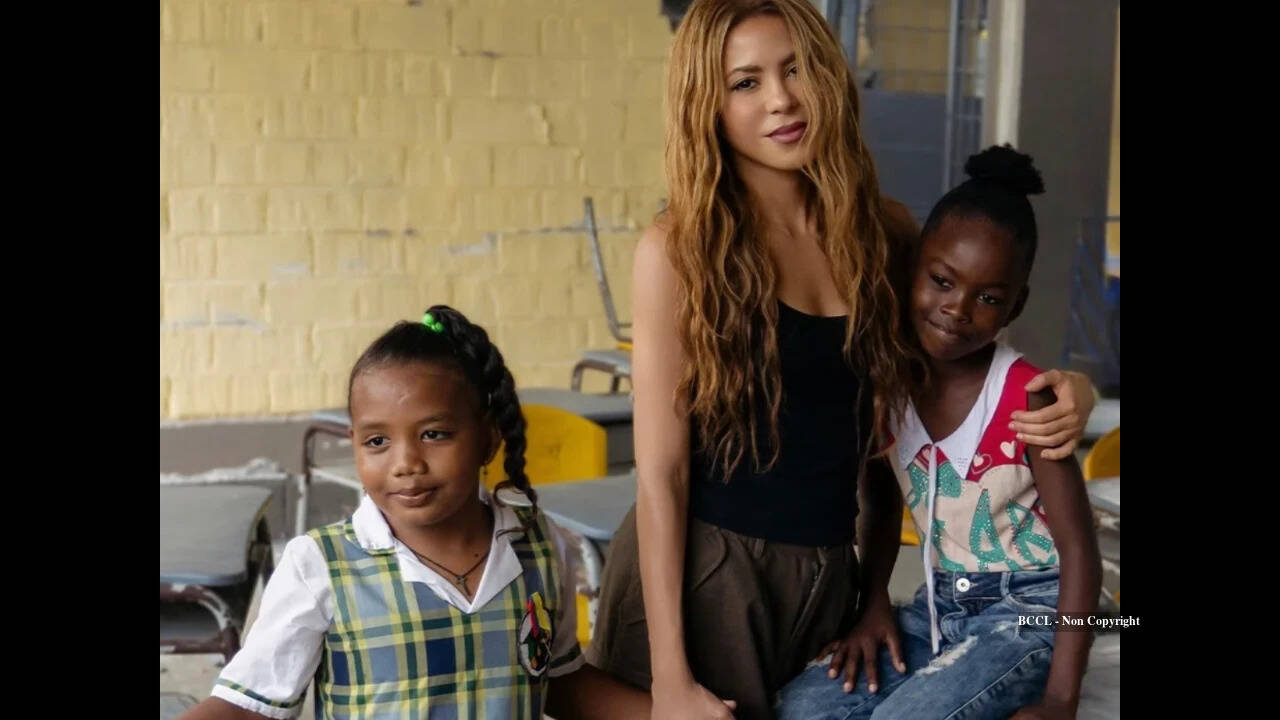
Image courtesy: Shakira/ Instagram
In 2025, the foundation delivered seven new schools in partnership with Colombia’s Ministry of Education. The schools were located in La Guajira and Tibú, two areas where access to quality education has been limited by geography, poverty, and instability.The foundation says the new schools benefit more than 5,000 children and young people each year. The delivery formed part of the Todos al Cole project, an initiative aimed at improving school access and helping children remain in education.The project did not appear overnight. In 2024, the foundation and the ministry had already delivered two new schools in La Guajira, one in Riohacha serving 1,200 students and another in Uribia serving 800.
Building beyond classrooms
The foundation’s work goes beyond constructing buildings. Its schools provide meals to students and psychosocial support to children and their families, knowing that learning is more than desks, books and teachers.The organisation also invests in teacher training and community engagement. TIME reported that the foundation has trained more than 12,000 teachers and has built or renovated 19 schools since its inception, reaching more than 224,000 children.These efforts are designed to create lasting change rather than short term relief. By combining infrastructure with educational support and family services, the foundation aims to help children stay in school and build a path toward a better future.
A long history of expansion
The foundation’s first school opened in Barranquilla in 2009, serving more than 1,000 students each year. That project marked the beginning of a broader effort to build educational institutions in communities with limited access to quality schooling.In 2014, the foundation opened its first school in Cartagena, in the Lomas del Peyé neighbourhood. The school was designed to serve more than 1,000 students annually and became part of a growing network of Pies Descalzos institutions.By 2021, the foundation’s work had expanded to more than 300 schools across Colombia, reaching more than 224,000 children and young people since 2003. The organisation says its projects now span cities and rural areas, including Barranquilla, Cartagena, Quibdó, Soacha, La Guajira, and Norte de Santander.
Why the work matters
Colombia’s education challenges are often most severe in regions affected by poverty, conflict, and limited public services. In Chocó, for example, Borgen Magazine reported that most residents live in poverty and that a 2026 earthquake damaged or destroyed hundreds of schools.Shakira has argued that every day a child spends out of school is a day they lose an opportunity to build their future. Her foundation’s response has been to invest in schools, teachers, and community support in places where educational access can be fragile.The 2025 school deliveries show that this approach can produce measurable results. Seven new schools and more than 5,000 children served each year represent a significant expansion of access in areas where a safe, well equipped classroom can make a major difference.
Recognition and ongoing work
The foundation’s work has drawn recognition beyond Colombia. TIME included Shakira in its TIME100 Philanthropy 2026 list, noting that the Barefoot Foundation mobilised more resources for education than any other civil society organisation in Colombia between 2021 and 2024.The foundation has also continued to expand its partnerships. In 2025, it worked with ICETEX to support young people from Pies Descalzos schools as they considered paths toward higher education.The organisation’s latest school in Tibú was completed in September, according to TIME. Shakira said the children of Tibú would be able to begin a new chapter in their lives, reflecting the foundation’s belief that education can change not only individual futures but entire communities.
A legacy still growing
Shakira’s foundation began with a simple idea: that children in vulnerable communities deserve access to education. Nearly three decades later, that idea has grown into a network of schools, trained teachers, and support programmes reaching thousands of children each year.The delivery of seven schools to the Ministry of Education in 2025 is a major milestone in that story. It demonstrates how long term commitment can translate into visible change through sustained investment, local partnerships and a focus on underserved regions.The impact is immediate for the children who attend these new schools. For the communities around them, it may shape opportunities for years to come.