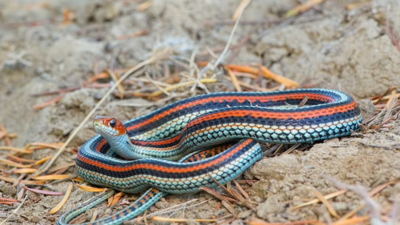
Endangered San Francisco garter snakes have been released into the wild for the first time, a milestone for conservation in California. Sixty-two young snakes born at the San Francisco Zoo were set free at carefully chosen sites across San Mateo County, one of only two California counties where the species lives naturally, earlier this autumn. The reptile has featured on the United States endangered species list since its first edition in 1967, which makes this captive-bred release a significant turning point for the species. Wildlife managers hope the achievement clears the way for further releases of the same kind. The zoo said the release marks a major milestone in a decades-long effort to bring the species back from the brink of extinction.
Biologists see the first release as a step toward healthy populations that can sustain themselves
According to Popular Science, the successful rewilding of dozens of the endangered snakes is a huge moment for population rehabilitation efforts. Karine Tokatlian, a biologist at the Midpeninsula Regional Open Space District, said in a statement that the snakes’ return represents years of research, collaboration, habitat restoration and careful conservation work. She described the first release as an important step toward healthy, resilient populations that can sustain themselves over the long term. The San Francisco Zoo said the project brought together multiple agencies and organisations, combining scientific research, habitat protection and restoration with hands-on animal care to support the species’ recovery.
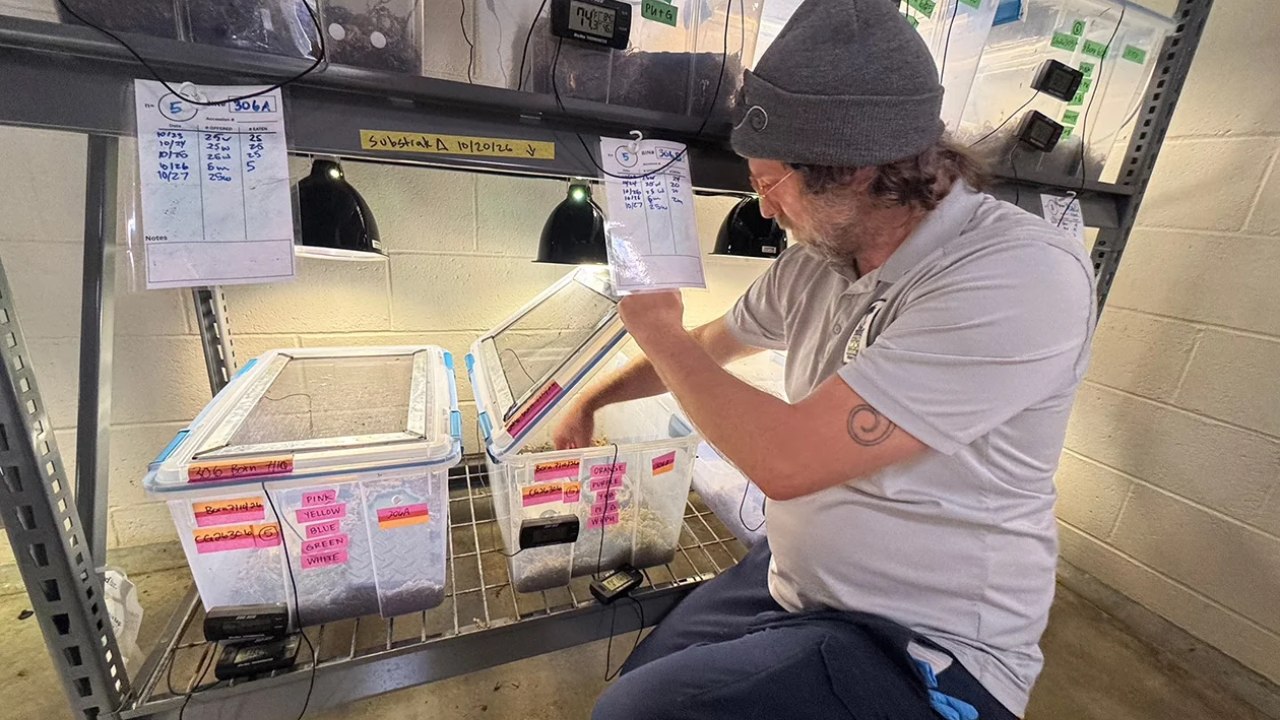
Image: San Francisco Zoo
Researchers estimate only a few thousand harmless, brightly coloured snakes remain in the wild
The species has endured nearly six decades of droughts, invasive species, disease, low genetic diversity and poaching. The snake is slender but can grow anywhere from 18 to 55 inches long, roughly 46 to 140 centimetres. Its eyes are larger than those of most garter snakes, which allows it to stay active during daylight hours. With no fangs and only mildly toxic saliva, it is essentially harmless to humans, although its bites are fatal to prey such as smaller reptiles and rodents. The San Francisco Zoo said only a couple thousand individuals are estimated to remain in the wild. The species is found only in San Mateo County and a small portion of Santa Cruz County, and nowhere else on Earth.
Genetic testing at the zoo decided where each head-started snake would be released
Head-starting is the process of rearing young animals in captivity before releasing them, which protects creatures during the most vulnerable stage of their lives. For these snakes it began in 2025, when conservationists collected several pregnant females from a healthy preserve in California’s Midpeninsula. Researchers released the adults back into their habitat after they gave birth and kept the infants at the San Francisco Zoo. After testing each snake’s genetics, conservationists placed about one-third in the same area as their mothers. The other two-thirds went to sites that particularly needed a bigger genetic pool for breeding. The zoo said the young snakes were raised until they reached a size better able to withstand threats such as predation and competition for prey. Release locations have not been disclosed to protect the snakes from illegal collection, vehicle mortality and disease.
Another generation of more than 130 snakes born at the zoo this year is waiting for release in 2027
Biologists continue to monitor the first head-started generation, and the next batch is still being raised at the zoo. More than 130 additional San Francisco garter snake babies were born there in 2026 and are being prepared for another round of releases planned for 2027. Post-release monitoring will help researchers determine how effectively the two rounds of releases improve populations at their sites and what lessons can be applied to future head-starting efforts. Ariel Starr, a wildlife ecologist at the same district, added that the species’ critical status is not unique. She said the project’s success and research should hopefully inform the recovery of many other imperilled reptile species.