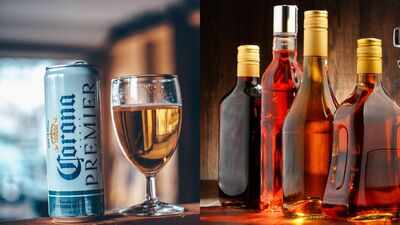
Imagine going to a bring-your-own-booze (BYOB) party. Someone would choose beer cans, after all they are easier to carry; they are not delicate and require too much care. While others can choose glass bottles with wine or whiskey which need more caution while carrying them. However, it doesn’t matter if your choice is based on convenience or your choice of drink, the packaging of these beverages are based on more than the consideration of portability. The reason behind it might surprise you and make you observe more of such little things around you.
The can-do attitude of beer and cola
The humble can is lightweight, easy to stack, quick to chill and quite perfect for a group of friends who don’t want to be responsible for a night. But practically, aluminium cans are designed for drinks that need to stay fresh and fizzy. Beers and cola being fizzy drinks are suitably packaged in cans.Both beer and cola contain dissolved carbon dioxide, the gas responsible for those cheerful bubbles that feel as refreshing as a cold breeze. To preserve that fizz, the packaging needs to hold internal pressure and prevent carbon dioxide from escaping. This job is done incredibly well by the can.
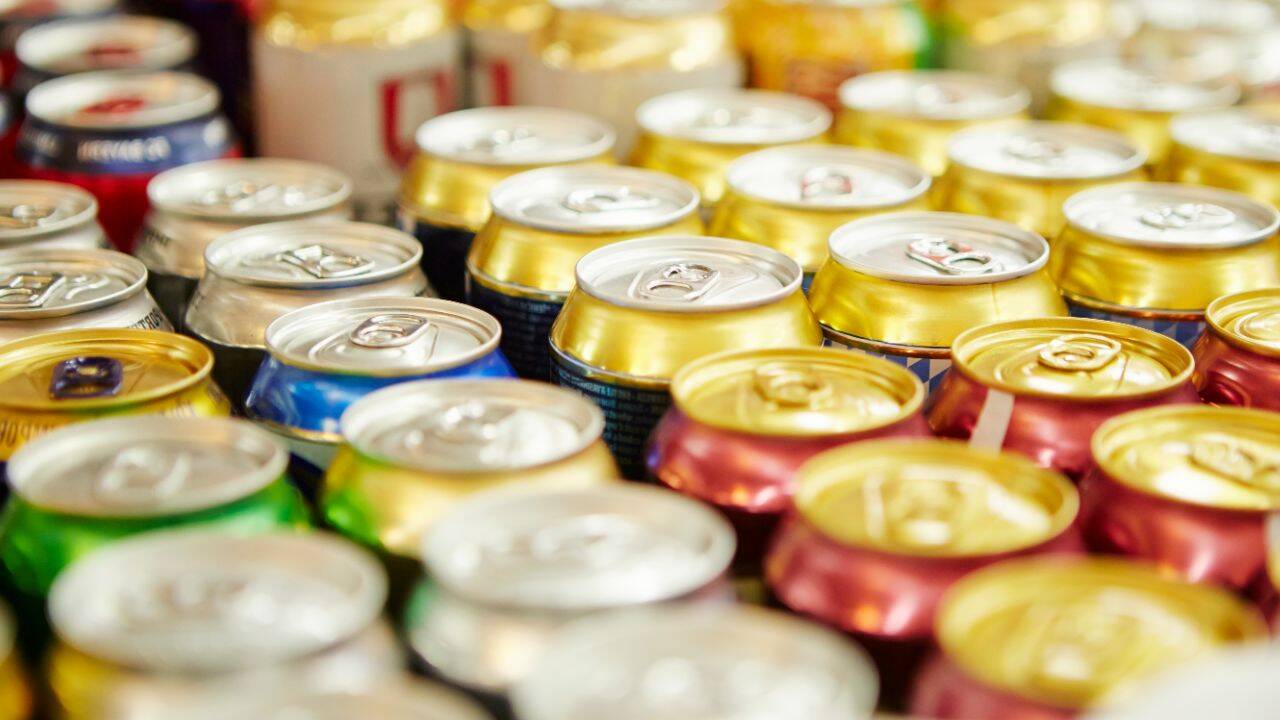
Beer Cans (Image Credit: Canva)
But carbonation is only part of the story. Beer, when exposed to light, reacts with certain elements that make it unpleasant, creating a skunky smell. Thus, aluminium cans block light completely which offers the beer a protective little fortress. Though, glass bottles can do the task too, but they need to be brown or tinted to keep the light away. According to the Belgian Beer Glass Museum, keeping oxygen and light away from beer is essential to preserving its intended flavour.As you would’ve thought, colas require similar conditions to stay fresh and refreshing. Colas are convenient drinks which makes the can packaging easy to chill and convenient for single servings. Cans are less likely to shatter making them efficient to transport and store.There’s history behind the habit of just cracking a can open, too. In 1935, the American Can Company and Krueger Brewing Company introduced canned beer commercially in the United States. Early cans needed improvements, including internal linings that prevented unwanted metallic flavours. Once manufacturers solved these problems, cans became an increasingly attractive alternative to heavier glass packaging.The next time you hear that familiar pssst as a can opens, remember that you’re hearing the result of decades of packaging innovation.
Wine in glass: A bottle built for patience
Wines are a more delicate drink, there are proper etiquettes of drinking wine. The sophistication, however, is to enjoy the complex chemistry of it to the most. Some wines are meant to be opened young and enjoyed with dinner, while others are crafted to develop more complex flavours and aromas over years. For these drinks, glass has a particularly useful quality of being chemically stable and doesn’t readily react with the liquid inside.
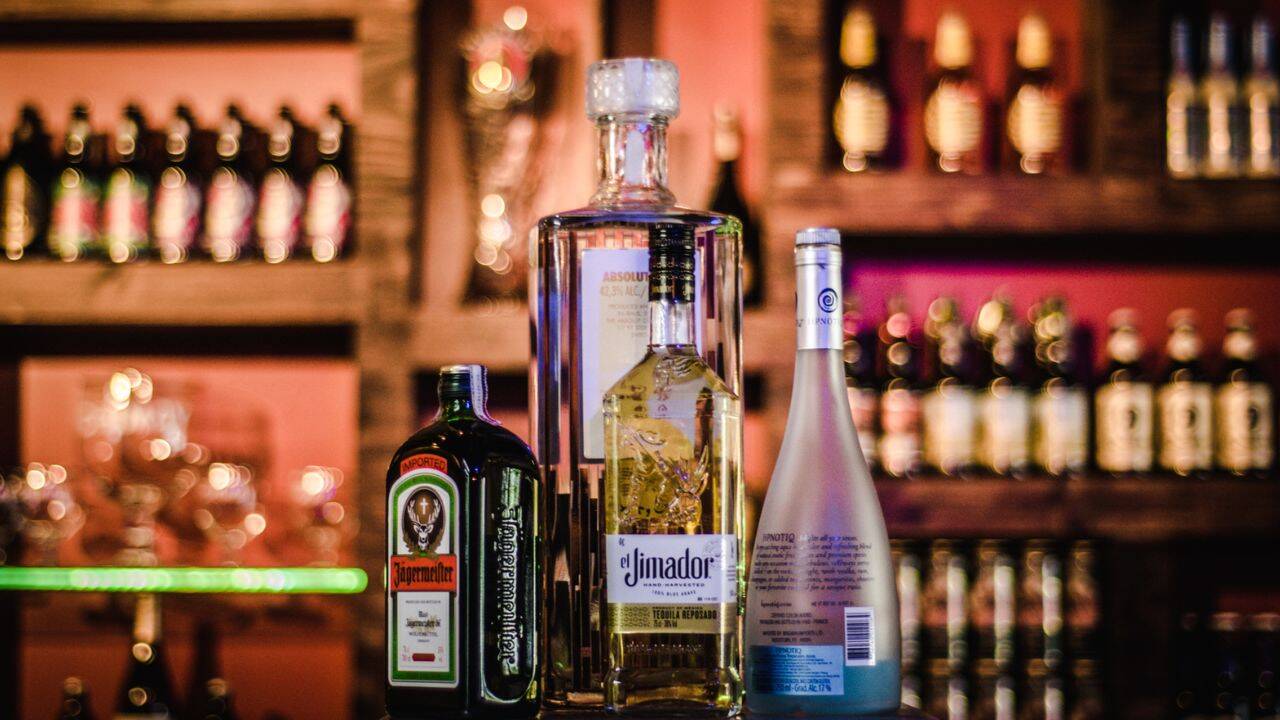
Wine and Whiskey Bottles (Image Credit: Canva)
According to the University of Florida’s Packaging Implications for Wine and Alcoholic Beverages, glass offers excellent protection against gases and vapours, helping preserve wine quality over time.It is crucial to keep a wine away from oxygen as too much exposure to it can gradually change a wine’s aroma, colour and flavour. However, along with glass, the choice of a cork or a screw cap also plays a role. Thus, the entire packaging is responsible for making a wine age beautifully. And let’s be honest: opening a bottle of wine at dinner has a certain ceremony to it. The cork comes out, the wine is poured, and suddenly an ordinary meal feels a little more special.
Whiskey bottles: More than just a hunky look
Other than its exquisite looks, the premium whiskey bottles have a greater purpose. The inert nature of glass bottles stops any unwanted flavours from being imparted to the whiskey. It also provides an excellent barrier against gases, helping protect the spirit when the container is properly sealed.You might wonder, though, whiskey ages in wooden casks and not in bottles. During cask maturation, the spirit interacts with the wood and undergoes changes that help develop its colour, aroma and flavour. However, once bottled, that maturation process largely stops. The bottle’s job is to preserve the spirit, not continue the magic of the barrel.Why not put whiskey in cans, then? Actually, canned spirits and ready-to-drink whiskey cocktails already exist. The traditional bottle remains popular partly because it is practical for storing and pouring spirits, but also because it communicates craftsmanship, heritage and premium value.
So, can the spirits not exchange their clothing?
While the can and the glass packaging are associated with certain drinks, the trade-off already happens quite often. The crisp coca-cola from glass bottles somehow feel more refreshing than any can, right? Whiskey and wines can also be packaged in alternative containers, although traditional glass bottles remain the norm for many premium spirits. The right choice depends on the product, the intended storage period and how consumers will use it.