
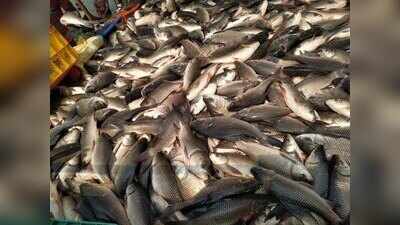
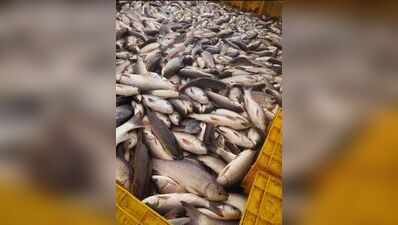

Bhubaneswar: Ponds in urban areas of Odisha contain at least seven times higher levels of microplastics than those in rural water bodies, with commonly consumed rohu fish found in them showing signs of microplastic ingestion, according to a new study published in ‘Science of the Total Environment’.The study, conducted by Dhara Rana and Manu M Joseph from CHRIST University, Bengaluru, Karnataka, raises concerns over plastic pollution in inland aquatic ecosystems and its possible implications for fish health and food safety.The study, based on samples collected from two ponds in Ganjam district, compared an urban pond at Digapahandi with a rural water body at Sipaiambatha. Researchers found microplastic concentrations in urban waters to be at least seven times higher than in the rural pond, recording 9,330 particles per cubic metre against 1,330 particles per cubic metre. Rohu fish (Labeo rohita) collected from the urban site also contained more microplastics in their gastrointestinal tracts than those from the rural pond.The authors said the study provides crucial baseline data on microplastic contamination in Odisha’s freshwater ecosystems. They stressed that rohu is among the most widely consumed freshwater fish in eastern India, making the findings relevant from both ecological and public health perspectives. The study also highlights the need for further monitoring of inland water bodies and deeper investigation into the long-term effects of microplastic pollution on aquatic biodiversity and food chains.Scientists observed that fibres were the dominant form of microplastics across all samples, followed by fragments and films. Most particles were smaller than 30 micrometres. Polyamide, polyethylene and polypropylene emerged as the most common plastic polymers detected in the ponds and fish samples.The study noted that fish collected from the urban pond showed greater intestinal irregularities, including distorted mucosal folds, localised thinning of epithelial layers and vascular congestion. While the research did not establish a direct causal relationship, the tissue changes were consistent with early biological responses to environmental stressors, including elevated microplastic exposure.In a significant finding, researchers isolated a gut-associated bacterium identified as Sphingobacterium alimentarium from microplastic-exposed fish. Laboratory experiments showed the bacterium interacted with polyethene particles and reduced their weight by about 3.13% over four weeks, indicating potential for future studies on microbial interactions with plastic waste. However, the researchers cautioned that the results do not yet confirm actual plastic degradation mechanisms.