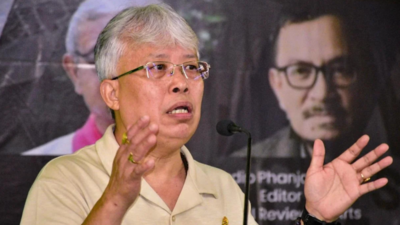
NEW DELHI: Jawaharlal Nehru University (JNU) has dismissed professor Angomcha Bimol Akoijam of Centre for the Study of Social Systems with immediate effect following an inquiry into allegations of sexual harassment levelled against the teacher by 11 students. Akoijam is also the Congress MP from Inner Manipur constituency in Manipur.An order issued by the university Friday and signed by vice-chancellor Santishree D Pandit said the decision was taken after following the due process and considering the findings of Internal Complaints Committee (ICC), which had recommended a major penalty against the professor under Central Civil Services (classification, control and appeal) Rules, 1965.
Action ordered
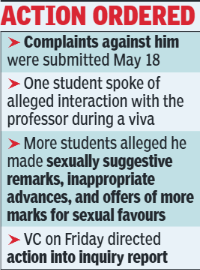
JNU harassment case: Disagreement within panel over nature of penaltyThe committee submitted its report to the vice-chancellor Friday afternoon. Official sources said there had been a disagreement within the committee over the nature of the penalty to be recommended. While the presiding officer and other members favoured a major penalty, student representatives declined to sign on the recommendation, favouring a lesser punishment. The report was consequently submitted with dissent after consultations with lawyers, sources said.Under provision 11 of the 1965 rules, penalties are divided into minor and major categories. Minor penalties include censure, withholding of promotion, recovery from pay of financial loss caused to govt through negligence or breach of orders, reduction in the pay scale by one stage for not more than three years, and withholding of increments.Major penalties include reduction to a lower stage in the pay scale for a specified period, reduction to a lower time-scale of grade, post or service, compulsory retirement, removal from service, and dismissal from service. While removal from service does not ordinarily disqualify a person from future govt employment, dismissal usually does.TOI, on Sept 6, first reported about the sexual harassment complaint submitted to ICC. The complaints against the teacher were submitted on May 18 and the investigation was to conclude in 90 days as per the rules. However, due to summer vacation from May 27 to July 3, the inquiry got delayed.The matter reportedly came to light after a student shared her account of an alleged interaction during a viva examination in a students-only WhatsApp group, following which other students came forward with similar allegations. The students allegedly complained about sexually suggestive remarks during vivas and classes, inappropriate advances at gatherings at the professor’s on-campus residence, and offers of higher marks in exchange for sexual favours.The professor didn’t respond to TOI’s queries about the university’s decision. There was also no immediate response from Congress.