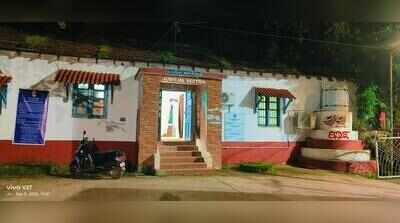
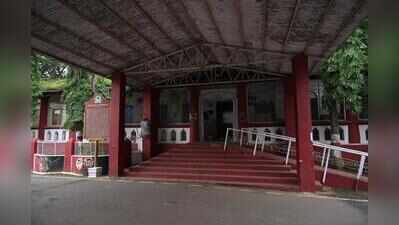
In the heart of Koraput town, amid modern govt offices and expanding infrastructure, the Old Collectorate buildings stand as silent witnesses to more than a century of administrative history in the tribal hinterland of southern Odisha.Built in 1873, after the headquarters of Vizagapatam under the Madras Presidency was shifted from Jeypore to Koraput during the British era, the buildings were part of the institutional framework created to strengthen colonial administration in the remote Eastern Ghats. Koraput was then part of the undivided Visakhapatnam district under the Madras Presidency.More than 150 years later, the old structures continue to house govt offices and remain part of the district’s administrative machinery, even as newer buildings have come up around them to meet the demands of a growing administration.The architecture of the Old Collectorate reflects the distinctive character of British-era public buildings in India. Arched porticos, long corridors, thick stone walls, high ceilings, large windows and red-tiled sloping roofs set them apart from the concrete govt structures that dominate the modern landscape.“The use of locally available stone and lime mortar was not merely an architectural choice but also suited the region’s climate. Designed to withstand heavy monsoon showers, intense summer heat and the cooler weather of the Eastern Ghats, the buildings were constructed for durability. Their thick walls, spacious rooms and large windows helped improve ventilation and keep the interiors relatively cool,” said collector (Koraput) Manoj Satyawan Mahajan.The spacious compounds further add to the heritage appeal of the complex. Over the decades, newer structures designed to accommodate the expanding requirements of district administration have surrounded the original buildings.Offices dealing with revenue, planning, establishment and other functions now operate from the premises. For generations of officials and residents, the Collectorate has been more than an office complex.It has been the centre of district administration, where decisions affecting people’s lives were made, revenue and land matters were handled, and residents from remote tribal areas travelled to meet officials with their grievances and demands.“Working in these old buildings gives you a sense of continuity. They have witnessed generations of officials and people coming here for different reasons,” said Prasanna Kumar Naik, a senior Collectorate official.But preserving the century-old structures is not without challenges. Prolonged exposure to the elements has affected parts of the buildings. Ageing roofs, structural wear and tear, and the need to provide modern office facilities all demand regular maintenance. Ensuring the buildings remain functional without compromising their historic character remains a delicate task.The structures have also begun attracting greater attention from historians, architects and heritage enthusiasts, who believe their architectural and administrative significance deserves wider recognition.“With Koraput gaining prominence for its unique tribal culture, scenic beauty and development initiatives, these colonial structures offer a fascinating glimpse into the district’s administrative evolution — from imperial control to democratic governance,” said Ajit Patra, convener of Intach’s Koraput chapter.Today, computers, official meetings and the daily movement of employees and visitors fill up corridors that once echoed with footsteps of colonial officials.Yet, beneath layers of paint and decades of wear, the Old Collectorate continues to tell a story of changing administrations, evolving governance and a century-and-a-half of Koraput’s history etched in stone.