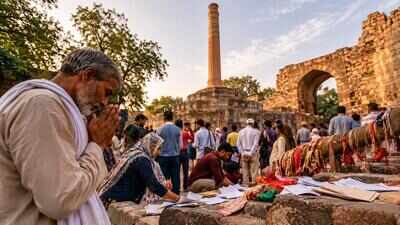
We all have heard of people writing letters to Hanuman and Ganesh for wish fulfilments. But ever heard of writing letters to supernatural beings? There’s a place in Delhi where every Thursday, a centuries-old monument becomes the destination for people carrying handwritten letters, identity documents, photographs and even court papers. Now it might sound strange but people have immense faith in djinns here. You read that right! It’s not any government office but a 14th-century fort ruins in Feroz Shah Kotla, where some visitors follow a longstanding local practice of writing petitions addressed to the supernatural beings for the solution of their problems.Who are djinns?For those who don’t know, djinns are a class of supernatural, invisible spirits in Arabic folklore, pre-Islamic Arabian religion, and Islamic theology.Today, people often visit the site seeking answers to deeply personal problems, which can include health issues, unemployment, financial problems and relationship troubles. Some write their requests on paper and leave them in designated spaces within the monument, while others bring documents they believe will help explain their circumstances. A documentary by Pluc TV, which explores this unusual practice, follows visitors who come to the ruins seeking answers to personal difficulties.Among them is Pappu, who, according to the documentary, has been visiting the site for more than 20 years. For him, the Thursday visits have become a regular part of life. Other visitors arrive with letters explaining their problems, sometimes attaching photographs and official documents to make their requests more personal.More about Feroz Shah Kotla
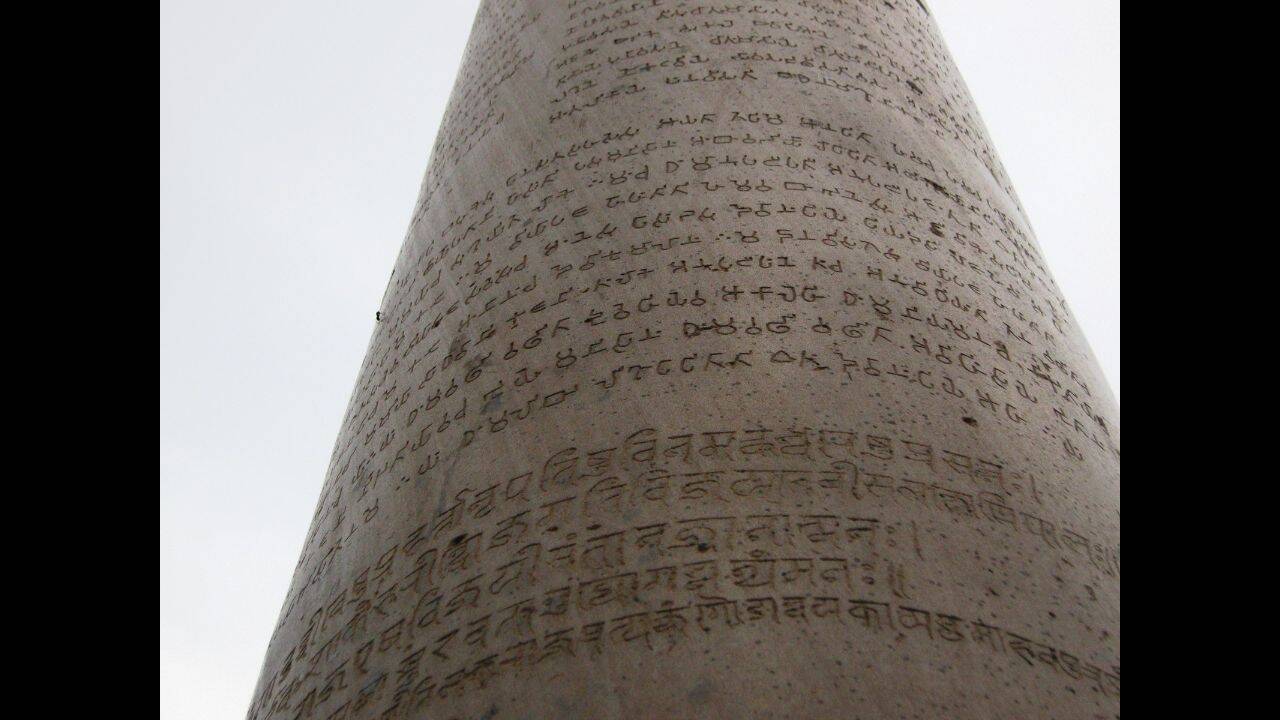
Ashoka Pillar at Feroze Shah Kotla, Delhi (Wikimedia)
However, the story of Feroz Shah Kotla is not limited to these local practices. The popularity of the practice is closely connected to a turbulent chapter in Delhi’s recent history: the Emergency of 1975–77.The place also served as a royal fortress built by Sultan Feroz Shah Tughlaq in 1354. It formed the heart of Firozabad, the fifth historic city of Delhi, established during the Delhi Sultanate. The complex once contained palaces, a mosque, gardens, underground chambers and a stepwell.One of its most prime features is the Ashokan pillar standing on a pyramidal structure inside the fort. The sandstone pillar dates back to the third century BC, much earlier than the fort itself. Sultan Feroz Shah brought it from Topra in present-day Haryana and installed it at his capital in the 14th century.The approximately 13-metre-high pillar carries inscriptions associated with Emperor Ashoka.The historical connection: Why did the practice become popular after the Emergency?
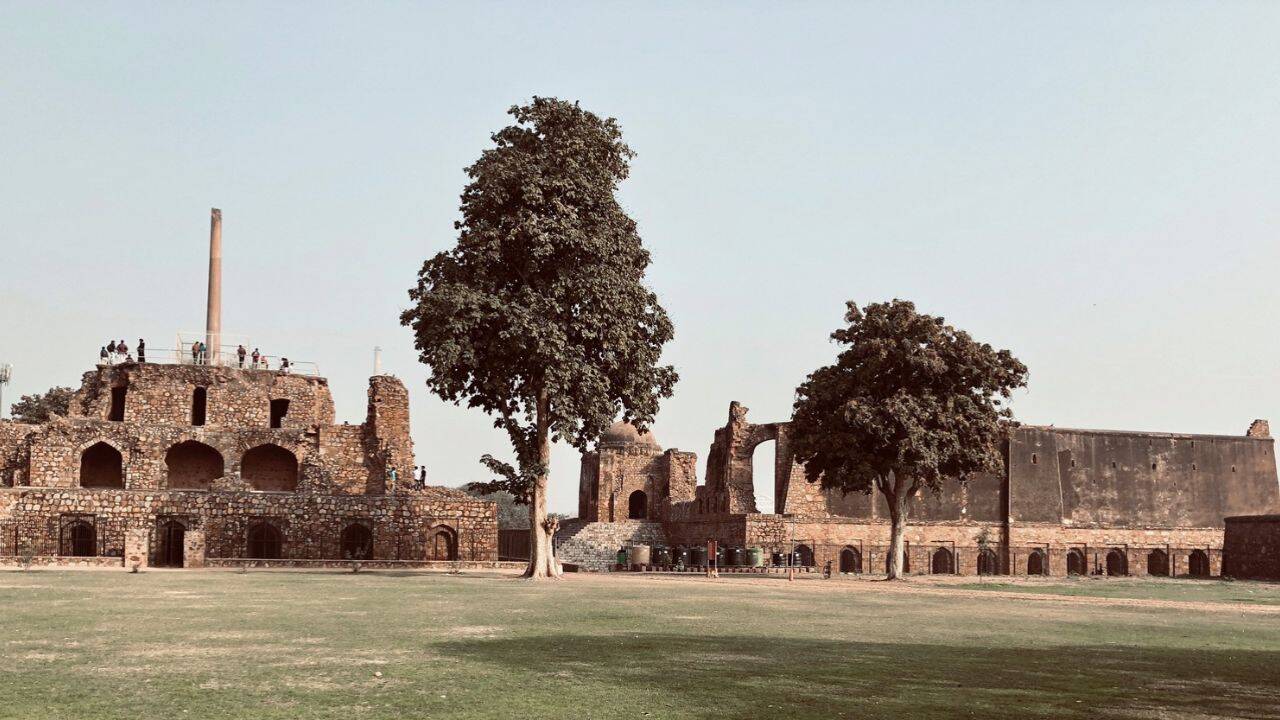
Feroz Shah Kotla (Canva)
According to anthropologist Anand Vivek Taneja, who conducted extensive fieldwork at the site and wrote the academic paper Jinnealogy: Everyday Life and Islamic Theology in Post-Partition Delhi, the practice draws upon older traditions of petitioning powerful authorities.Taneja notes that although the site had been associated with djinn for a long time, it became a popular place of veneration in 1977, a few months after the Emergency ended.During the Delhi Sultanate, people could submit formal petitions to rulers and Sufi saints seeking justice. Now Taneja draws a connection between this older practice and the letters left at Feroz Shah Kotla today as a practice. The striking difference is that contemporary visitors combine an older petitioning tradition with the language and paperwork of modern bureaucracy.This explains why some visitors bring photocopies of legal documents, identity cards, voter IDs and court papers.In his research, Taneja describes how these petitions bring together medieval ideas of justice and modern administrative practices. The site, therefore, offers an interesting window into how older cultural traditions can adapt to changing social circumstances.Research by Taneja also suggests that Feroz Shah Kotla became a popular place of veneration in 1977, shortly after the Emergency (1975–77). The period was marked by demolitions and displacement in parts of Old Delhi, particularly around Turkman Gate in 1976.Story of Laat Wale Baba
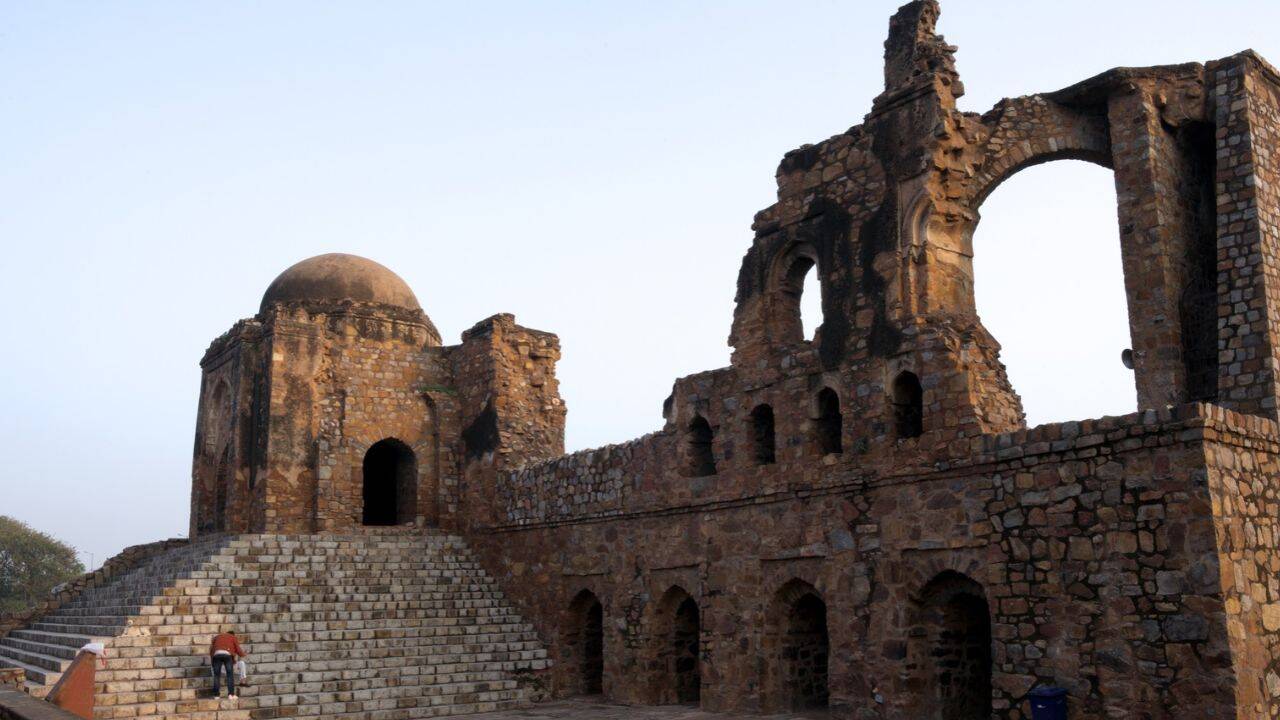
Feroz Shah Kotla ruins (Canva)
According to local belief, there’s one chief of djinns known as Laat Wale Baba. The name literally refers to the pillar: laat means pillar, and Baba is an honorific.The figure is associated with the ancient Ashokan pillar, also called Minar-e-Zareen (Golden Pillar), which stands on a three-storey pyramidal structure inside the fort.The popular tradition identifies Laat Wale Baba as the most important figure among the djinns believed by visitors to inhabit the ruins. People write letters addressed to him, describing personal problems and seeking help.What happens at Feroz Shah Kotla on Thursdays?Thursday is the main day of the weekly gatherings. Visitors arrive with written petitions, photographs and photocopies of documents. Some leave their letters in niches and alcoves around the ruins, while others offer flowers, light candles or incense sticks.The practice is not limited to one community. Research on the site has documented visitors from different social and religious backgrounds.The petitions often reflect ordinary struggles of urban life. People bring grievances involving housing, employment, money, family relationships and legal disputes. For some, visiting the monument provides a familiar space to express their worries and seek emotional reassurance.The concernsHowever, the practice has also raised conservation concerns. In January 2021, The New Indian Express reported that the ASI had restored the approximately 660-year-old structure supporting the Ashokan pillar. An ASI official said that visitors had been lighting lamps, candles and incense inside its chambers, causing damage to the interiors.
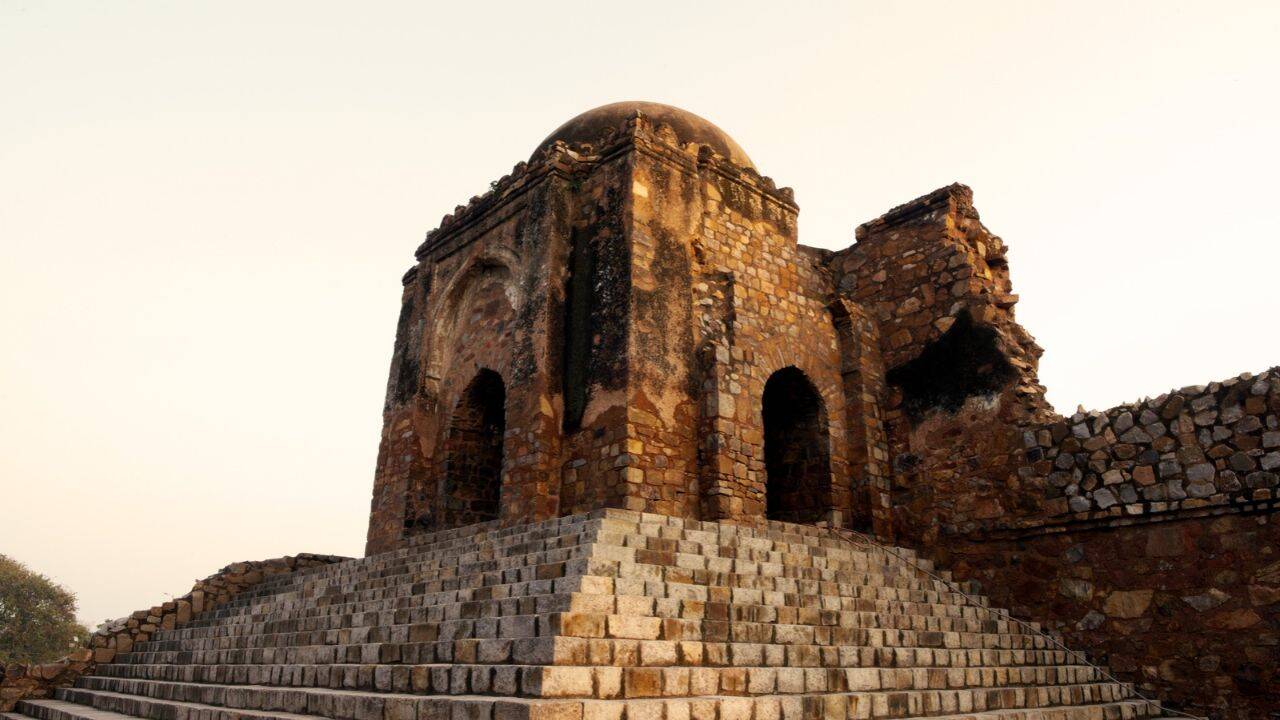
Feroz Shah Kotla ruins (Canva)
Following conservation work, the structure was restricted to general visitors. The decision to close certain areas, including parts of the stepwell and chambers, was taken to protect the monument and ensure visitor safety.Today, Feroz Shah Kotla remains both an important archaeological site and a place associated with living cultural practices. Understanding its history requires looking beyond stories of the supernatural and paying attention to the people, historical events and social circumstances that have shaped its identity.Editorial note: This article documents local beliefs and cultural practices for their historical and sociological significance. It does not endorse supernatural claims or suggest that petitions, rituals or visits can resolve medical, legal, financial or personal problems.