


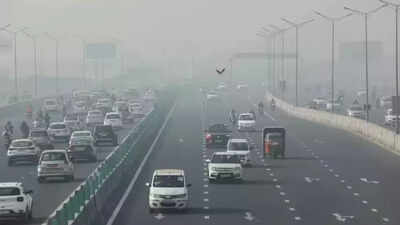
Delhi-NCR’s air pollution is not just an inconvenience that causes watery eyes or a persistent cough. Tiny particles in polluted air can also affect blood vessels, increase the strain on the heart and worsen existing health conditions. That makes early pollution-control measures important, even before the air becomes severely polluted.On October 21, 2026, the Commission for Air Quality Management (CAQM) invoked Stage 1 of the Graded Response Action Plan (GRAP) across Delhi-NCR after Delhi’s Air Quality Index (AQI) reached 244, placing it in the ‘poor’ category. The measures aim to prevent pollution from worsening through steps such as controlling road dust, restricting certain polluting fuels and strengthening enforcement.But how much can these early restrictions actually do for public health? Doctors say their value lies in reducing exposure before pollution levels climb further.
Why early pollution control matters for the lungs
GRAP Stage 1 includes measures such as mechanised road sweeping, water sprinkling, dust control at construction sites and action against open waste burning. These steps target some sources of particulate matter, including PM2.5 and PM10.PM2.5 particles are particularly concerning because they can travel deep into the lungs. Exposure can irritate the airways, worsen asthma and aggravate chronic respiratory conditions. PM10 particles can also affect breathing and irritate the eyes, nose and throat.Dr Manoj Sharma, Director of Internal Medicine at Fortis Hospital, Vasant Kunj, explained why early action matters: “These preventive measures aim to reduce pollution at its source before air quality deteriorates further.”The important distinction is that GRAP 1 can help limit exposure, but it cannot make polluted air harmless overnight.
The hidden threat to heart health
Pollution-related health problems do not always announce themselves through coughing or breathlessness. Fine particles can trigger inflammation and oxidative stress, affecting how blood vessels function. Over time, exposure can contribute to cardiovascular disease.Dr Anshul Kumar Jain, Director of Cardiology at CK Birla Hospital, Delhi, highlighted this less visible danger, “A person can feel perfectly fine while breathing in harmful pollutants, and the heart and blood vessels may still be under extra strain.”People with high blood pressure, diabetes, high cholesterol or existing heart disease need particular care during pollution season. Chest pressure, sudden breathlessness, cold sweats or discomfort spreading to the arm or jaw require urgent medical attention.
What GRAP Stage 1 actually restricts
Stage 1 is triggered when the AQI enters the poor category, between 201 and 300. Under the current restrictions, coal and firewood cannot be used in tandoors at hotels, restaurants and open eateries. Diesel generator sets are restricted to permitted emergency or essential uses.Authorities must also enforce dust-control measures at construction sites, promote mechanised road sweeping and water sprinkling, and prevent open waste burning. These steps target pollution sources, rather than simply asking residents to protect themselves.However, the impact depends on how consistently agencies enforce the rules. GRAP Stage 1 does not ban all vehicles or construction activity. Nor does it guarantee that pollution levels will fall immediately.
Why prevention must begin before the air turns severe
Waiting for a pollution emergency means allowing harmful exposure to continue until stronger action becomes necessary.Dr Inder Mohan Chugh, Vice Chairman and HOD of Pulmonology at Yatharth Super Speciality Hospital, Model Town, New Delhi, told TOI, “Prevention of pollution at the early stage is much better than dealing with its effects as a public health crisis.”Children, older adults, pregnant women and people with respiratory or heart conditions may be especially vulnerable. Yet even healthy adults should not assume that poor air quality is harmless simply because they feel fine.GRAP 1 is an early intervention, not a complete solution. Long-term improvements require cleaner transport, better waste management, dust control and coordinated action across Delhi-NCR.
What residents can do to reduce exposure?
On poor-air quality days, reduce strenuous outdoor exercise and move workouts indoors when possible.Use public transport, maintain vehicles, avoid unnecessary driving and never burn household waste. Keep windows closed when outdoor pollution is high, and consider a properly sized air purifier with effective particle filtration.People with existing conditions should continue prescribed treatment and seek medical advice if symptoms worsen. No supplement or home remedy can replace pollution control or appropriate medical care.Medical experts consultedThis article includes expert inputs shared with TOI Health by:Dr Manoj Sharma, Director of Internal Medicine at Fortis Hospital, Vasant Kunj.Dr Anshul Kumar Jain, Director of Cardiology at CK Birla Hospital, Delhi.Dr Inder Mohan Chugh, Vice Chairman and HOD of Pulmonology at Yatharth Super Speciality Hospital, Model Town, New Delhi.Inputs were used to explain how poor air quality affects us, does GRAP restrictions help with keeping our health secure and what are things that people should and shouldn’t do.