


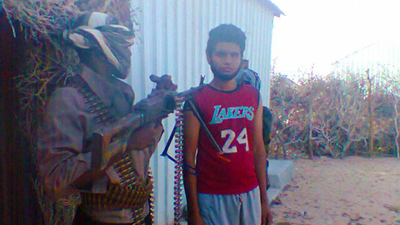
When Aman Kumar Sharma left India in 2010 for his first voyage at sea, he was a 19-year-old from Himachal Pradesh beginning a career in the merchant navy. He could not have imagined that his first assignment would turn into a 43-month ordeal involving armed pirates, brutal torture, the killing of a close friend, months spent in a Somali jungle and a shipwreck that nearly cost him his life.Sharma finally returned to India on June 9, 2014, after escaping captivity with 10 other crew members. Nearly four years after leaving home with hopes of building a career at sea, he returned to his family in Kangra, Himachal Pradesh, carrying memories that would take years to process.In a recent interview, Sharma revisited the hijacking of the MV Albedo, the desperate attempts to secure the crew’s release and the escape that brought his ordeal to an end. Today, he marks two birthdays: November 8, the day he was born, and June 9, the day he returned to India.“I try not to think of those days, and just thank God for the new life,” he told The Indian Express.

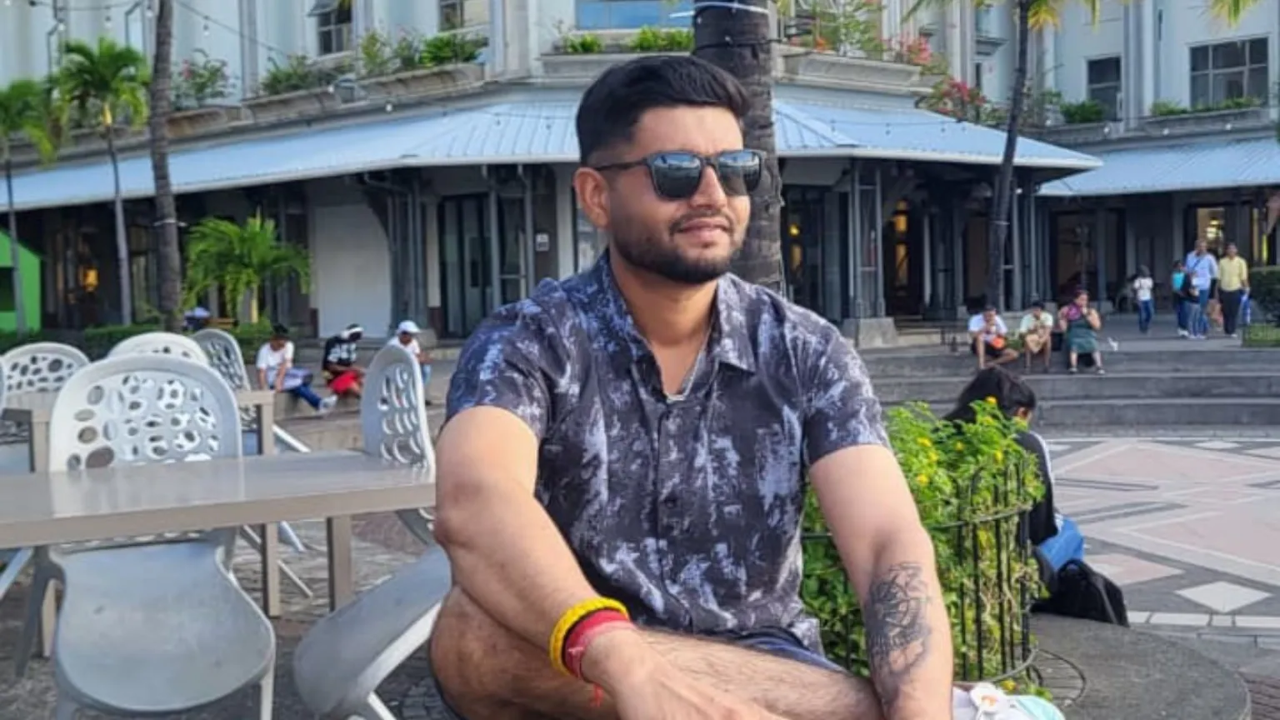
Sharma and 10 other crew members escaped their Somali captors in a daring overnight getaway. (Photo courtesy: The Indian Express)
His first voyage turned into a nightmare
Sharma joined the MV Albedo at Dubai’s Jebel Ali port in October 2010. The Iranian-owned, Malaysian-flagged vessel had a multinational crew, including two Indians. Its next port of call was Kenya, and the ship was sailing through waters known for piracy.The crew knew the route was risky, but leaving the ship was not a simple option. As Sharma recalled, “We had given the agent money for placement, so we couldn’t get off, though we knew it was a high-risk zone.”On November 26, 2010, at around 7.12 am, the crew spotted pirates approaching in a speedboat, roughly 200 nautical miles off the Maldives. They tried to secure the doors, but armed men boarded the vessel within minutes.The captain and third officer were captured, and the pirates threatened to kill the captain unless the remaining crew surrendered. The ship was subsequently forced towards Somalia, where the crew found themselves at the mercy of their captors.The pirates demanded a ransom of $20 million from the ship’s owner. As negotiations dragged on, the violence escalated. Crew members were beaten, officers were tortured and access to basic necessities was tightly controlled.“We need their permission even to use the washroom,” Sharma said, describing the restrictions imposed on the captives.
The killing of his closest friend
Seven months into captivity, ransom negotiations stalled. The pirates threatened to kill five crew members and gathered the men on the bridge. They then shot dead Raju Rajvar, the other Indian sailor on board and Sharma’s close friend, who had trained with him in Kolkata.The killing left the captives shocked and terrified. Sharma recalled that the pirates initially made them believe the incident might have been staged. The reality became clear when the crew were ordered to dispose of Rajvar’s body.“We were shocked – they were laughing. Initially we thought they faked the killing, but then when they called us to dispose of the body we froze.”The chief officer placed Rajvar’s body in a deep freezer, hoping that it might one day be returned to his family. The pirates then threatened Sharma himself. “They told me – you next,” he recalled.The experience left him emotionally numb. “What could I think after witnessing my friend being shot? I just reconciled to fate, so no emotions or fear; my mind was blank,” he said.Meanwhile, Sharma’s parents and sister tried to raise money through relatives, charities and non-governmental organisations. Efforts to negotiate a ransom continued, but proposed arrangements repeatedly fell apart.
Six months in a Somali jungle
After seven Pakistani crew members were released following a ransom payment, Sharma and the remaining captives were taken to a jungle near Harardhere in Somalia. They spent six months largely in the open, with limited water, little clothing and no certainty about when they would be freed.Their daily existence was marked by illness, deprivation and fear. “In the jungle, it was torture every day. We stayed in the open, slept under trees, and repeatedly fell sick. We had just two clothes – shorts and a T-shirt. We took a bath after 45 days, that too in hiding,” Sharma told the publication.In 2013, the captives were brought back to the ship amid hopes that a resolution might finally be possible. But the situation deteriorated again. The MV Albedo began taking on water as its cargo hold flooded. Four Bangladeshi crew members attempted to reach a distant trawler but drowned. Sharma, who could not swim, clung to a rope until a Cambodian fisherman rescued him.The ship sank, but survival did not mean freedom. The pirates took the remaining crew back to the jungle, where beatings resumed. Sharma was subjected to further torture, including having his nails pulled out.Another ransom attempt collapsed after a German captain tasked with delivering the money fled with it. Reflecting on the failed effort, Sharma asked: “If the UN could be cheated, what was the hope then?”
The escape that brought him home
With negotiations repeatedly failing, Sharma and the remaining crew members began planning their escape. They received help from a pirate who provided them with a phone and SIM card, allowing them to contact people in India and the United Nations.The crew decided to mix sleeping pills into their captors’ food. When the plan worked, the 11 remaining men cut an opening in their hut and fled at around 3 am, carrying documents salvaged from the sunken ship.A watchtower guard directed them towards a waiting vehicle. They continued walking until morning, when Somali government forces arrived and took them to a hotel, where they were given food and clothes.The following morning, a United Nations plane escorted by two American officials flew them to Kenya. Chirag Bahri of the International Seafarers’ Welfare and Assistance Network, who had helped coordinate efforts for their release, met them there.Sharma’s family travelled to receive him, and he finally returned to India on June 9, 2014.But coming home did not immediately end the ordeal. Sharma experienced nightmares, sensitivity to light and difficulty eating ordinary food. He realised he needed professional help and underwent counselling and psychiatric treatment.“I reached my home in Kangra, but recovery was slow. Nightmares, sensitivity to light, difficulty with ordinary food… I realised I required counselling and psychiatric help and underwent that too.” He said that understanding what his parents had endured during those years also gave him the willpower to recover.
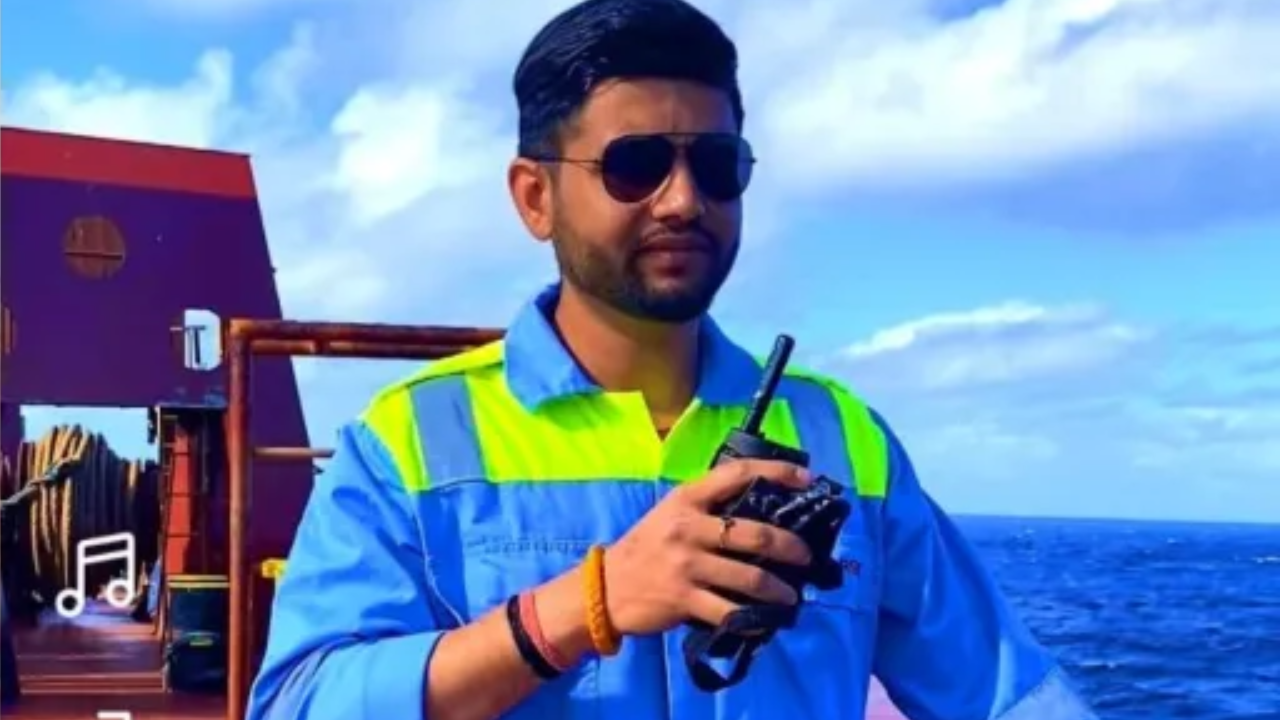
Sharma celebrates June 9 as his second birthday – the day he finally returned home. (Photo courtesy: The Indian Express)
A second birthday, a new life
Sharma returned to work with Maersk in June 2015 and is now a bosun, a senior rating responsible for deck operations aboard a ship. He married in 2020 and has two children.The date of his return remains as significant as his birthday. November 8 marks the day he was born; June 9 marks the day he regained his freedom.For someone whose first voyage at sea became a prolonged fight for survival, the second date represents a life that continued despite years of uncertainty, violence and loss.His ordeal also comes amid renewed concerns about piracy off Somalia. As per recent reports, 2026 has seen a resurgence of hijackings involving Indian seafarers, underlining that the dangers Sharma faced more than a decade ago have not entirely disappeared.For Sharma, however, the most important milestone is personal: the day he came home and began rebuilding the life that captivity had interrupted.