


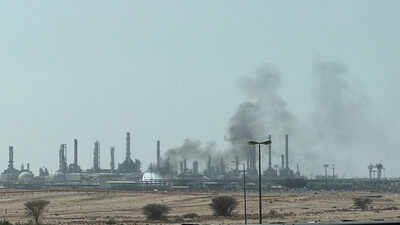
Saudi Aramco is working on new oil export routes and overseas storage as repeated attacks on Saudi energy infrastructure and tankers expose vulnerabilities in the kingdom’s crude supply network.According to Reuters, Aramco CEO Amin Nasser said the company is working on a fourth and fifth export route and studying additional overseas storage to help deal with short-term disruptions.He said Aramco is currently meeting all customer requirements and can make 12 million barrels per day available within days if needed.“We start repairing assets while they are still on fire,” Nasser said, describing Aramco’s approach to damaged infrastructure.Nasser said Aramco continues to export crude through Yanbu as well as Egypt’s Sidi Kerir and Port Said, while also relying heavily on ship-to-ship transfers to keep supplies moving.Looking beyond the immediate oil supply disruptions, Nasser also outlined Aramco’s longer term plans for natural gas. He said the company expects to produce around 9 million barrels of oil equivalent per day of natural gas by 2040.The comments come amid escalating attacks by Yemen’s Iran-backed Houthi rebels on Saudi energy infrastructure and shipping.The attacks have raised concerns over the security of Saudi Arabia’s oil export network, particularly after disruptions to the East-West pipeline, a key route that allows the kingdom to move crude towards the Red Sea and bypass the Strait of Hormuz.Nasser also warned that commercially available information is making energy infrastructure easier to track and target.“Open data such as satellite imagery and shipping logs are increasingly being weaponised against infrastructure and tankers,” he said.Despite the attacks, Nasser said Aramco has not needed to tap its strategic product reserves and has enough inventory within its system to continue supplying customers.But the disruption is already creating a significant premium in the physical oil market. Nasser said physical barrels are sometimes trading $20 to $50 per barrel above the Brent benchmark, highlighting the rising cost of securing and transporting crude.The Aramco CEO also warned that the impact of the disruption could persist even after immediate supply routes stabilise. He said the world needs at least 2 million barrels per day of additional demand for the next 18 months to rebuild current oil inventories.Looking beyond the immediate oil disruption, Nasser also outlined Aramco’s long-term gas ambitions, saying the company expects to produce around 9 million barrels of oil equivalent per day of natural gas by 2040.The 2040 target is part of Aramco’s longer term strategy, separate from the immediate security challenges facing its oil export network.