


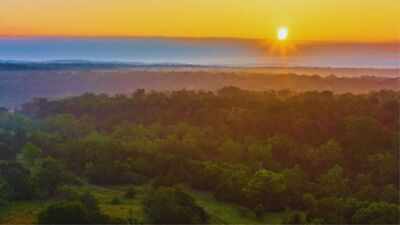
In 1938, Fred and Vera Shield of San Antonio bought a 5,300 acres on Barton Creek, beginning a multigenerational commitment to the land. Roughly, nine decades later, that same family has added another layer of protection through a 202-acre conservation easement with the City of Austin. The agreement, announced in 2026, is part of a broader strategy to safeguard Shield Ranch, a 6,600-acre wildland that contains about 10 percent of the Barton Creek watershed and plays a vital role in the region’s water quality, according to The Nature Conservancy and Shield Ranch. A portion of the easement’s appraised value was purchased using funds from the city’s 2018 Water Quality Protection Lands Bond, with the balance donated by the Shield-Ayres-Bowen family, according to a report by Shield Ranch.
A childhood shaped by wild land
Vera Ayres Bowen and her brother Bob Ayres grew up spending long summers at the ranch their grandparents, Fred and Vera Shield, bought in 1938. Every trip from San Antonio began with a shared meal with the couple who lived on the property and helped work the land. After that, the children were free to roam, picking peaches and pears from trees planted by their grandparents and hiking through clusters of Ashe juniper and oak.Bowen recalls discovering armadillos and snakes, riding a horse alone through the undeveloped landscape, and leaping off a boulder into the family swimming hole in Barton Creek. Those experiences, she says, gave her a sense of independence and confidence that stayed with her into adulthood. The joy and freedom she felt on the ranch ultimately inspired the family to protect the land for future generations through conservation easements, as per a report by The Nature Conservancy.
Shield Ranch as the lungs of Barton Creek

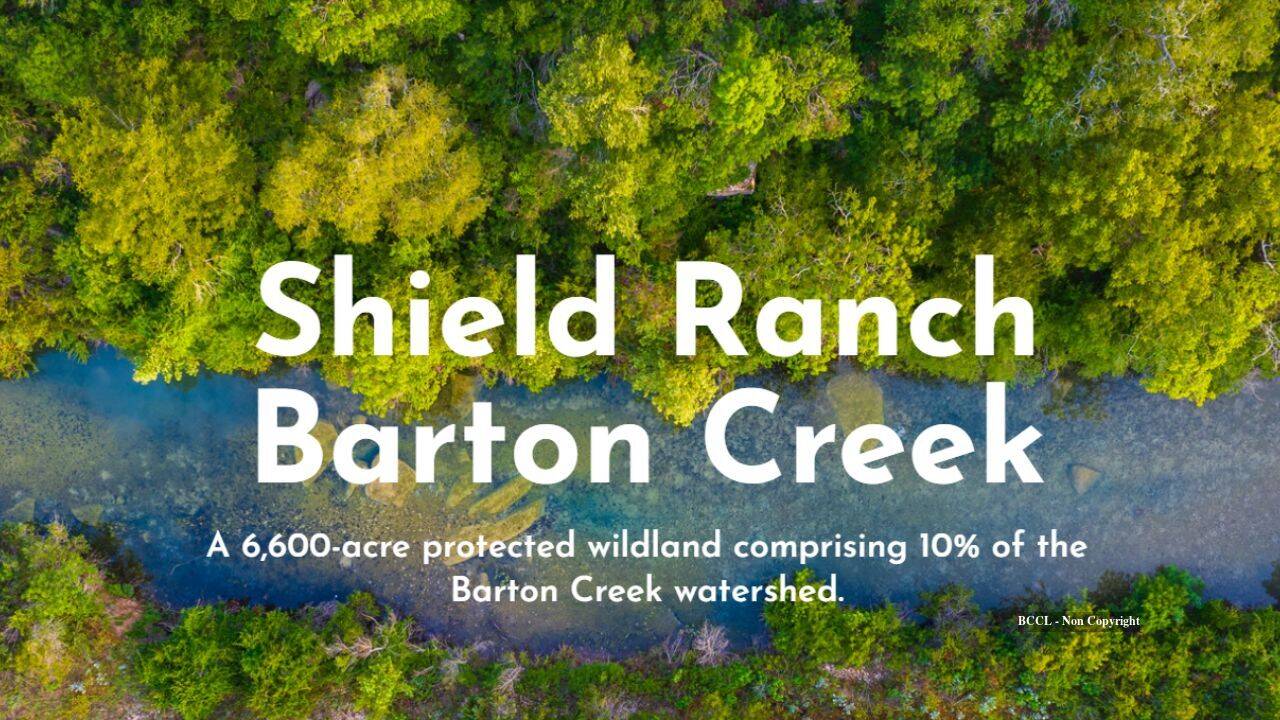
Photo: Shield Ranch website
Shield Ranch encompasses 6,600 acres of protected wildlands ringed by hills and teeming with wildlife. The property is designated a Quiet Place by Quiet Parks International and is home to endangered golden-cheeked warblers. Six miles of Barton Creek wind through the ranch, which is also listed as a historic district in the National Register.Jeff Francell, associate director of land protection for The Nature Conservancy in Texas, describes Shield Ranch as the lungs of Barton Creek. He notes that if the Ayres family had chosen a different path, the area could have become a large master-planned community with serious negative effects on water quality. The fact that it will remain relatively undeveloped forever helps preserve the clarity and health of Barton Creek, the report by The Nature Conservancy further shared.
Layers of protection over decades
The family’s conservation journey began in earnest after they developed their first ranch masterplan in the 1980s. They reached out to The Nature Conservancy in Texas to learn how they could protect the land, and the organisation served as a thought partner over the next decade. In the late 1990s, the Ayres family donated an easement on 4,670 acres to The Nature Conservancy, restricting certain types of development, as per Shield Ranch.They later sold an easement on an additional 1,676 acres to the City of Austin as part of its first voter-approved water protection program. The most recent 202-acre easement, announced in 2026, completes another chapter in this long-term strategy. A portion of the appraised value was purchased by the city using funds from the 2018 Water Quality Protection Lands Bond, while the balance was donated by the Shield-Ayres-Bowen family, as per the report.
What the easements allow and prohibit
The conservation easements prohibit commercial development while allowing agricultural and recreational activities to continue. Limited development is permitted within strict parameters, including a small number of family residences and facilities for nonprofit organisations. This structure enables the family to maintain its stewardship role while ensuring the land’s ecological and hydrological functions remain intact.Under the terms of the agreements, officials from The Nature Conservancy and the City of Austin visit the property at least once a year to verify compliance. They also help troubleshoot any issues that arise on the ground. Bowen describes these agencies as great partners and says the family has benefited from their expertise and support over the years, as per reports.
A camp that keeps the spirit alive
A 131-acre portion of the ranch is held by the nonprofit Shield Ranch Foundation, which operates Camp El Ranchito for youth who might not otherwise have access to outdoor programming. The camp moved into permanent, off-the-grid structures in 2022 and 2023, including a covered pavilion, rainwater collection tanks, evaporative toilets, and 11 sleeping shelters with walls that slide open to let in the breeze.The foundation works with organisations such as El Buen Samaritano and Westcave Outdoor Discovery Center to recruit students from fourth through twelfth grade. Bowen says her hope is that these campers will feel a kinship with the earth and become comfortable in nature, just as she and her siblings did as children. A stone monument on the site honours Indigenous people, European settlers, and ranchers who lived on the land before them, as per reports.
Why this matters for Austin’s water
Barton Creek is a key contributor to Barton Springs, a beloved natural resource and drinking water source for the Austin area. As the city grows rapidly, pressure on surrounding land has increased. Shield Ranch sits in a zone where large-scale development could compromise water quality, hydrologic function, and biodiversity. The easements help ensure that this portion of the watershed remains a buffer against urban runoff and habitat loss.City leaders describe the ranch as part of a network of protected open space that represents a generational investment by Austin citizens. Voters have repeatedly approved taxpayer funds to permanently protect Barton Creek’s water quality, wildlife habitat, and open space. The 202-acre easement marks the completion of the 2018 bond program, which funded the permanent protection of more than 6,830 acres across the recharge and contributing zones for Barton Springs.
A family legacy of stewardship
Patricia Shield Ayres, co-owner of Shield Ranch, says her family has been committed to land stewardship and natural resource conservation for nearly 90 years. The first conservation easement was donated in 1998, and each subsequent agreement reflects an ongoing commitment to safeguarding highly developable land along Barton Creek. Today, Shield Ranch Barton Creek is protected through three easements, one held by The Nature Conservancy and two by the City of Austin, as per Shield Ranch’s website.Bowen frames the family’s role as one of temporary caretakers in a long line of stewards. She says their work was about caring for the land during their time and using tools like conservation easements to ensure it would remain wild for those who come after. Her hope is that 50 or 100 years from now, the ranch will look much as it does today, a rare and truly wild place in an increasingly urban region.