


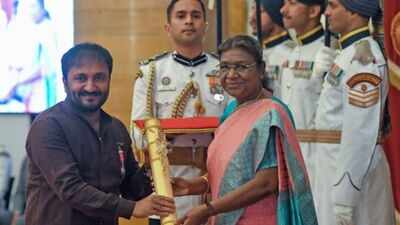
What began as a small mathematics initiative in Patna eventually became one of India’s best-known education stories. Anand Kumar started teaching mathematics in 1992 through the Ramanujan School of Mathematics, aiming to make quality learning accessible to students. His own struggles with money later shaped the direction of his work, leading him to focus increasingly on talented students from economically weaker families. In 2023, his contribution to education was recognised with the Padma Shri in the Literature and Education category.
A mathematics dream that began in Patna

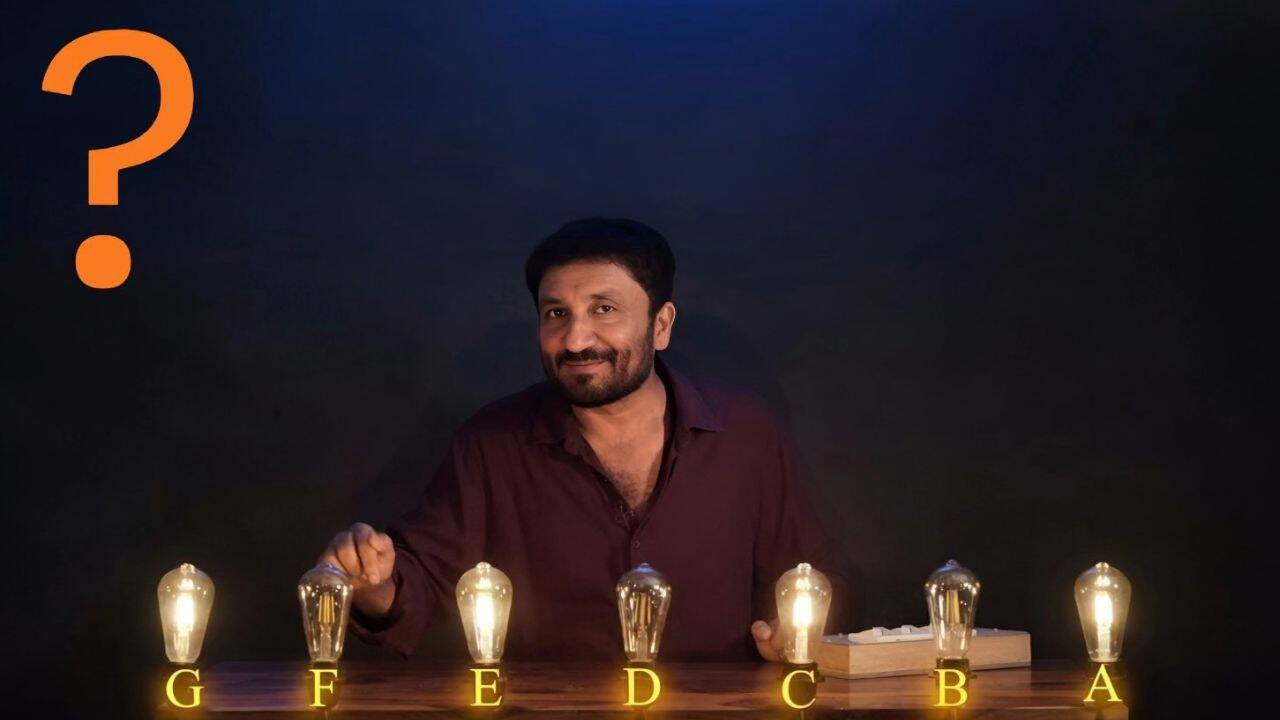
Anand Kumar developed a strong interest in mathematics from an early age. While pursuing his graduation in Patna, he began a mathematics club in 1992, which later became known as the Ramanujan School of Mathematics. According to the institute’s account of his journey, the programme initially offered free mathematics training to anyone interested in learning the subject. The initiative gradually grew as more students became interested. What started as a modest effort eventually became a larger coaching programme. Kumar began training students for competitive examinations and kept the fees low for those who could afford them. Students facing severe financial difficulties were allowed to study without paying.His work was closely connected to his own experience of financial hardship. In 1994, Kumar received an opportunity to pursue higher education at the University of Cambridge. However, he could not take up the opportunity because his family could not afford the costs involved. The setback became an important turning point in his life. Instead of allowing the lost opportunity to end his academic ambitions, Kumar began thinking about other students who faced similar barriers. His experience convinced him that talent alone was not enough when a family could not afford quality education and coaching.
How the Super 30 idea took shape
Kumar continued developing the Ramanujan School of Mathematics and eventually turned his attention towards students from economically disadvantaged backgrounds who wanted to enter India’s premier technical institutions. This effort led to Super 30, the programme for which he became widely known. The initiative selected a group of talented students from financially disadvantaged backgrounds and provided them with intensive preparation for the IIT-JEE, along with food and accommodation. The aim was to remove the financial barriers that could otherwise prevent capable students from pursuing their ambitions. The programme’s official history says Kumar decided to develop a more focused initiative for poor but meritorious students, eventually creating Super 30 with his brother Pranav Kumar.Over the years, the programme attracted national and international attention because of the achievements of its students. Kumar’s work was also recognised by the Limca Book of Records for his contribution to helping economically disadvantaged students prepare for the IIT-JEE. His approach was built around a straightforward belief: a student’s financial circumstances should not decide how far their talent can take them.
From a missed Cambridge opportunity to national recognition
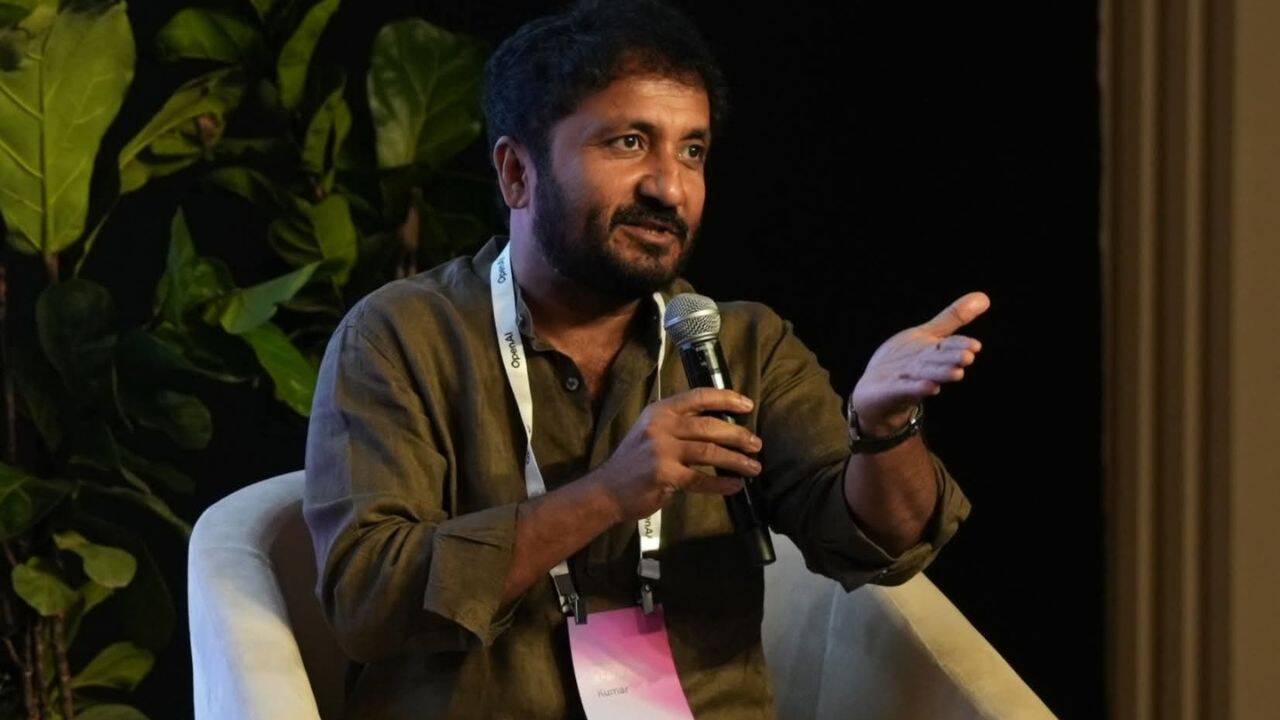
The story of Anand Kumar is therefore not simply about the success of Super 30. It is also about how a personal setback was transformed into an educational mission. The opportunity to study at Cambridge was one he could not afford to pursue. Years later, however, his work helped other students access opportunities that might otherwise have remained beyond their reach. The Government of India’s Padma Awards records describe Kumar as a grassroots educator from Bihar known for providing free coaching to underprivileged children preparing for national examinations. He was selected for the Padma Shri in 2023 under Literature and Education.President Droupadi Murmu formally presented him the Padma Shri at a civil investiture ceremony at Rashtrapati Bhavan in April 2023. From teaching mathematics through a small initiative in Patna to building Super 30 and receiving one of India’s highest civilian honours, Kumar’s journey shows how education can become more than a profession. For him, a missed opportunity became the reason to create opportunities for others.