


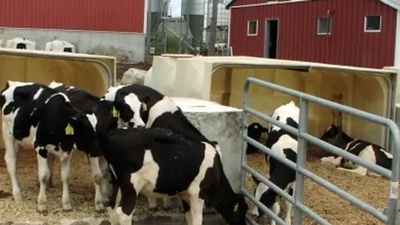
For generations, cow manure was simply an unavoidable byproduct of running a dairy farm. At Jordan Dairy Farms in Rutland, Massachusetts, however, it became something much more valuable: a source of electricity, heat, fertiliser and even animal bedding. In 2011, the family-run dairy installed what it describes as the first agricultural anaerobic digester in Massachusetts. The system uses microorganisms to break down manure and other organic waste in an oxygen-free environment, producing biogas that can be used to generate electricity.Randy Jordan, who runs the farm with his brother Brian, was looking for a way to deal with rising electricity costs. Jordan Dairy Farms had hundreds of cows producing manure every day, and Jordan began exploring whether that waste could be converted into energy. The answer was anaerobic digestion.By 2020, the system was saving the farm roughly $155,000 a year through heat, fertiliser, and bedding produced from what would otherwise have been waste.
How does a manure digester work?
The science behind the system is based on a natural biological process. Organic material such as manure contains compounds that microorganisms can consume. Inside an anaerobic digester, the material is kept without oxygen, allowing microbes to break it down and release a mixture of gases, including methane and carbon dioxide. The methane can then be burned to generate electricity and heat.At Jordan Dairy Farms, manure is not the only material entering the digester. Food and beverage waste collected from businesses is mixed with the farm’s manure, increasing the amount of organic material available for digestion.According to Vanguard Renewables, which operates the system, the farm’s digester receives around 20,000 tons of food waste and 9,125 tons of manure every year. The material is processed inside a 500,000-gallon digestion tank.Microorganisms break down the mixture, producing biogas that powers two engines. Together, the engines have a capacity of about 800 kilowatts and generate approximately 4,200 megawatt-hours of renewable electricity annually, according to Vanguard.
Manure becomes electricity, heat and fertiliser
The process produces several useful outputs, turning one waste stream into multiple resources for the farm. The electricity generated by the system can be used on the farm, while excess power has also been sold directly to nearby businesses. The heat generated during the process is another important benefit. In 2020, Jordan told The Washington Post that heat and hot water produced by the digester saved the farm around $35,000 a year.The farm also receives a huge volume of liquid fertiliser from the digestion process. Jordan said at the time that the system produced about 14 million gallons of liquid fertiliser annually, saving the farm roughly $100,000 in fertiliser costs. The solid material left behind could also be used as animal bedding, providing another estimated $20,000 in annual savings. Together, those savings amounted to around $155,000 a year.The current project information from Vanguard similarly lists reduced energy costs, low-carbon fertiliser, heat reuse, reduced chemical fertiliser use and odour reduction among the farm’s benefits.
Why add food waste to cow manure?
The idea of putting food waste into a manure digester was particularly important to the project’s economics. When Jordan first investigated digesters, the technology had already existed for decades. But many earlier systems struggled financially and operationally. According to The Washington Post, energy consultant Bill Jorgenson proposed combining food waste with manure. The additional organic material could increase energy production, while companies looking to dispose of food waste could pay fees to have that material processed.That created a second revenue stream around the same piece of infrastructure. The arrangement also addressed another environmental problem: organic waste sent to landfills can generate methane as it decomposes. Capturing organic material in a controlled digester instead allows much of that methane to be collected and used.For the farm, waste from food processors and other businesses becomes an input rather than something with no value.
What happens to the methane?
The biogas produced by the digester contains methane, which is the component used to generate energy. At Jordan Dairy Farms, the gas is directed to generators that produce electricity. The heat produced in the process can also be recovered and used around the farm. The farm’s own website says the digester generates enough clean energy each day to offset approximately 5,500 pounds of carbon dioxide emissions, while Vanguard estimates annual renewable electricity production at 4,200 MWh.The system has since expanded beyond the original installation. Jordan Dairy Farms says a second digester was added at its Spencer, Massachusetts, facility in 2016. The Rutland operation itself has also become part of a larger network of farm-based renewable-energy projects.