



For one UPSC aspirant, clearing the Civil Services Examination in 2022 should have been the moment years of preparation finally paid off. His family and relatives celebrated his success, believing that a government career was finally within reach. But when the service allocation list was released about three months later, his name was missing. During the conversation with BBC Marathi, the candidate, identified as Satej, was left trying to explain how someone who had cleared one of India’s toughest competitive exams could still have no government posting. His experience is at the centre of a much larger dispute involving nearly 100 OBC candidates who say they were denied reservation benefits because they were treated as part of the “creamy layer”. The issue has now reached the Supreme Court, which in March 2026 ruled that an OBC candidate’s creamy-layer status cannot be determined only by looking at the parent’s salary. Yet months after that judgment, the dispute is far from over.
He cleared the exam, but the appointment never came
For candidates like Satej, the problem did not begin with failing the UPSC exam. They had already cleared it and were recommended for appointment. The dispute arose later, when their OBC Non-Creamy Layer status was examined for service allocation. The Supreme Court judgment records that several successful candidates had parents working in PSUs, banks or other organisations. Because the equivalence of their parents’ posts with government posts had not been formally established, the Department of Personnel and Training applied the income/wealth test and classified the candidates as falling under the creamy layer. As a result, they were not considered for service allocation under the OBC reservation category.For an aspirant who has spent years preparing for UPSC, the difference between being selected and actually receiving a service allocation can therefore become painfully real. The candidates challenged the decision, arguing that they were being treated differently from similarly placed candidates whose parents worked in government posts.
What the Supreme Court changed

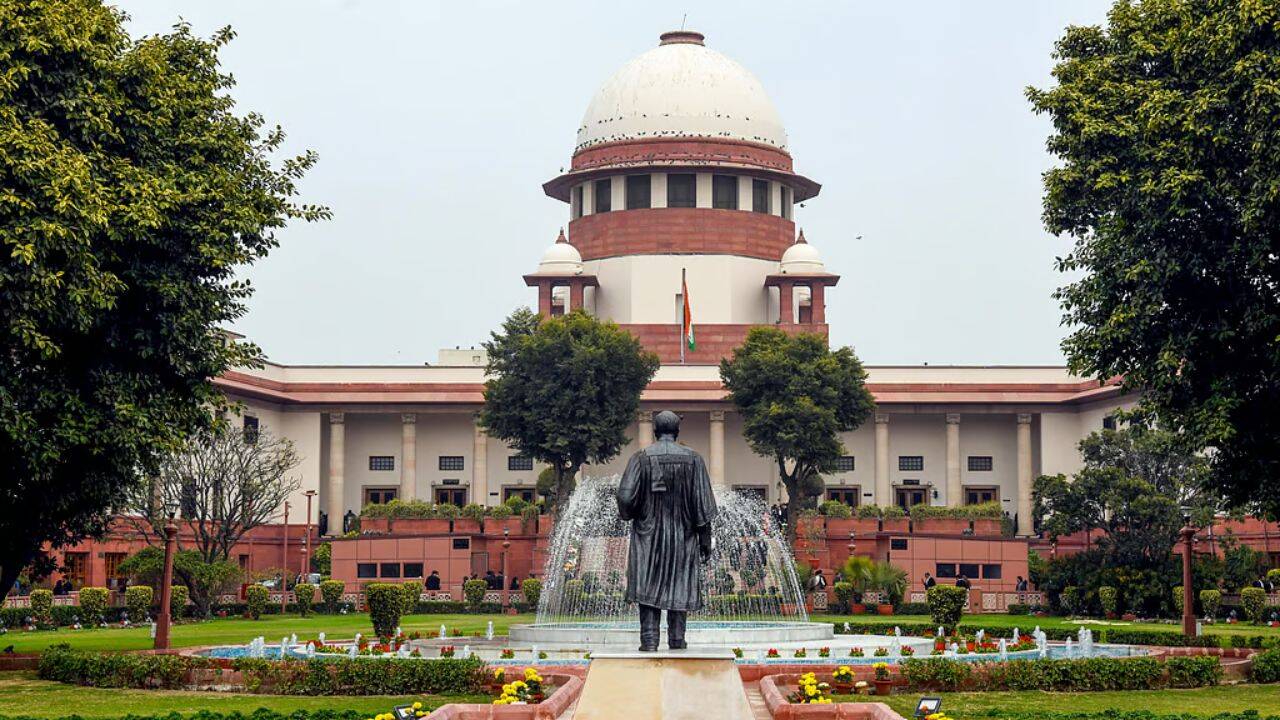
On March 11, 2026, the Supreme Court delivered its judgment in Union of India v. Rohith Nathan and others. According to the Supreme Court judgment available on Indian Kanoon, the Court held that parental salary or income cannot, by itself, decide whether an OBC candidate falls within the creamy layer. The status and category of the parent’s post must also be considered under the framework laid down in the 1993 DoPT Office Memorandum. The dispute goes back to the relationship between the 1993 rules and a 2004 clarification issued by the DoPT. The original framework excluded salary and agricultural income from the income/wealth test in the relevant context. However, the 2004 clarification led to the salary income of PSU and private-sector employees being considered while determining creamy-layer status, particularly in cases where equivalence with government posts had not been formally established.The Supreme Court found that this approach could create unequal treatment between children of similarly placed government and PSU/private-sector employees. It held that the government’s failure to establish equivalence could not be used to disadvantage candidates. The Court also directed the authorities to reconsider the claims of the affected candidates and complete implementation within six months. Where necessary, the government was directed to create supernumerary posts to accommodate candidates who were wrongly excluded.
Why the ‘Creamy Layer’ rule matters?

The creamy-layer concept was introduced in the context of OBC reservation after the Supreme Court’s landmark Indra Sawhney v. Union of India judgment in 1992. The basic idea is that relatively socially advanced sections within OBC communities should be excluded from reservation benefits so that those who remain disadvantaged can receive them. But determining who falls into that category has never been as simple as looking at a single number.The current framework includes different categories based on the status of parents, including certain constitutional and government positions. For some other categories, an income test is also relevant. The Supreme Court’s 2026 judgment focused on the problem created when parental salary was treated as the decisive factor for candidates whose parents worked in PSUs or private organisations without a formally established equivalence of posts. Drishti IAS, explaining the judgment, noted that the Court moved the focus away from a purely income-based approach and emphasised the parent’s employment status and post category as part of the determination.
But the waiting did not end with the verdict
For the affected candidates, a favourable Supreme Court judgment did not immediately translate into appointment letters. The Centre has sought clarification on how the March ruling should apply, particularly to the Civil Services Examination 2025. This has created another layer of uncertainty for candidates who are waiting for service allocation. UPSC declared the CSE 2025 final result on March 6, 2026, recommending 958 candidates for various services. Just five days later, the Supreme Court delivered its Rohith Nathan judgment. The government has argued that applying the ruling retrospectively could create difficulties because candidates made decisions about their categories and eligibility based on the rules that existed when they applied for the examination.For example, the Centre has pointed out that some candidates whose parents worked in PSUs or the private sector may have chosen to appear as general-category candidates or may not have claimed OBC benefits at all because they believed they would be treated as a creamy layer under the prevailing interpretation. Some could also have missed benefits such as age relaxation and additional attempts available to OBC candidates. The Supreme Court has agreed to hear the Centre’s plea seeking clarification.
A legal dispute with a very personal cost

Behind the constitutional arguments, administrative rules and court proceedings are candidates who have already spent years waiting. For someone who clears UPSC, the result is normally expected to mark the beginning of a career in public service. Instead, for those caught in this dispute, it has meant more documents, legal proceedings, and uncertainty over whether the government job they qualified for will finally materialise. The Supreme Court’s March judgment recognised that the existing approach could disadvantage candidates because of their parents’ employment sector rather than the actual status of their posts. But the latest developments show that the question of how, and when, the ruling will be implemented is still being worked out.Meanwhile, candidates who have already cleared the exam remain caught between a result that says they succeeded and an appointment that has yet to arrive. For them, the biggest question is no longer whether they can crack UPSC. It is whether clearing it will finally be enough to begin the career they worked so hard for.